Article At A Glance
- Minimally invasive procedures, such as micro-needling, enhance skin tone and texture through small punctures.
- Non-surgical options like Botox and fillers are popular for lip plumping and wrinkle smoothing.
Cosmetic surgery is evolving rapidly as patients seek safe, effective, and natural-looking results. Advances in technology, a rise in non-surgical options, and personalized approaches are shaping the future of aesthetics. Below are the leading innovations driving the industry today.
Minimally Invasive and Non-Surgical Options
Modern patients are increasingly drawn to treatments that require little downtime but still provide noticeable improvements.
- Injectables: Botox and dermal fillers remain at the top of the list, smoothing wrinkles, plumping lips, and restoring volume.
- Skin rejuvenation: Microneedling, laser resurfacing, and radiofrequency treatments boost collagen production, refine skin texture, and address fine lines.
- Non-surgical lifts: Thread and fat grafting can subtly lift facial features without traditional surgery.
These treatments typically take under an hour, allowing patients to resume their daily routine quickly.
Regenerative Therapies and Stem Cell Advances
Regenerative medicine is becoming more integrated into aesthetic procedures. Surgeons can restore tissue and encourage natural healing using a patient’s cells or engineered substitutes.
- PRP therapy combined with microneedling enhances skin renewal.
- Stem cell treatments for scar reduction, wound healing, and complex reconstructive cases are being explored.
- Lab-grown skin substitutes show promise for patients with burns or severe skin damage.
This trend highlights a shift toward treatments that improve appearance and support long-term skin health.
Technology-Driven Enhancements in Plastic Surgery
Technology is transforming the way surgeons plan and perform procedures.
- AI and 3D Imaging: Advanced software lets patients preview potential results before surgery, improving communication and setting realistic expectations.
- Robotic-Assisted Surgery: Robotics provides surgeons with enhanced precision and control during procedures like fat transfer and hair transplantation.
- Imaging-guided techniques: More accurate planning reduces complications and recovery time.
These advancements make treatments safer, more predictable, and more customizable.
Body Contouring and Definition Techniques
Shaping the body remains one of the most in-demand areas of aesthetics.
- Liposuction and Brazilian Butt Lift (BBL): These procedures continue to be requested for enhancing curves and proportions.
- High-definition liposuction: A newer technique that sculpts around muscle groups, creating a toned, athletic look.
- Non-surgical fat reduction: Devices using cooling or ultrasound provide contouring without surgery.
Patients are prioritizing results that highlight natural body balance over exaggerated changes.
Advances in Facial Procedures
Facial enhancement is evolving with both surgical and non-surgical approaches.
- Blepharoplasty and Brow Lift: Popular for addressing drooping eyelids or heavy brows.
- Non-surgical rhinoplasty: Dermal fillers reshape the nose temporarily without surgery.
- Combination approaches: Surgeons increasingly combine surgical and non-surgical techniques to achieve comprehensive yet natural results.
These options cater to patients looking for facial refinement without dramatic alteration.
Bio-Absorbable and Natural-Looking Materials
Patient safety and natural outcomes remain central to innovation.
- Bio-absorbable materials: Implants and sutures made from materials that the body naturally absorbs reduce long-term risk.
- Next-generation breast implants: Options like Motiva implants are designed for a softer, more natural feel.
- Collagen-based fillers: Derived from natural sources, these offer safe alternatives to synthetic products.
Such materials provide peace of mind while maintaining aesthetic appeal.
Personalized and Patient-Centric Care
One of the most significant shifts is toward personalized treatment.
- Customized treatment plans: Surgeons tailor procedures to match individual anatomy, goals, and lifestyle.
- Natural results: The focus has shifted from dramatic makeovers to subtle enhancements complementing existing features.
- Growing male interest: More men are seeking cosmetic treatments, from hair restoration and jawline contouring to facelifts and body sculpting.
This patient-first approach ensures results that feel authentic and sustainable.
Cultural and Social Influences on Aesthetic Trends
Beauty trends continue to reflect cultural values and media exposure. Social platforms, celebrity influence, and shifting beauty standards encourage patients to explore procedures like breast augmentation, liposuction, and facial balancing.
While trends shape demand, surgeons emphasize making choices based on personal goals and realistic outcomes.
Is Now the Right Time for Plastic Surgery?
Patients have more flexibility today with so many minimally invasive and non-surgical options. Shorter recovery times, advanced technology, and customizable approaches make it easier to achieve natural results without major downtime.
Still, the best decision comes from a detailed consultation with a board-certified surgeon who can recommend procedures suited to your needs.
Additional Read: Planning for a Safe and Successful Surgery? Here’s What You Should Do
Schedule a Consultation With a Plastic Surgeon in Chicago
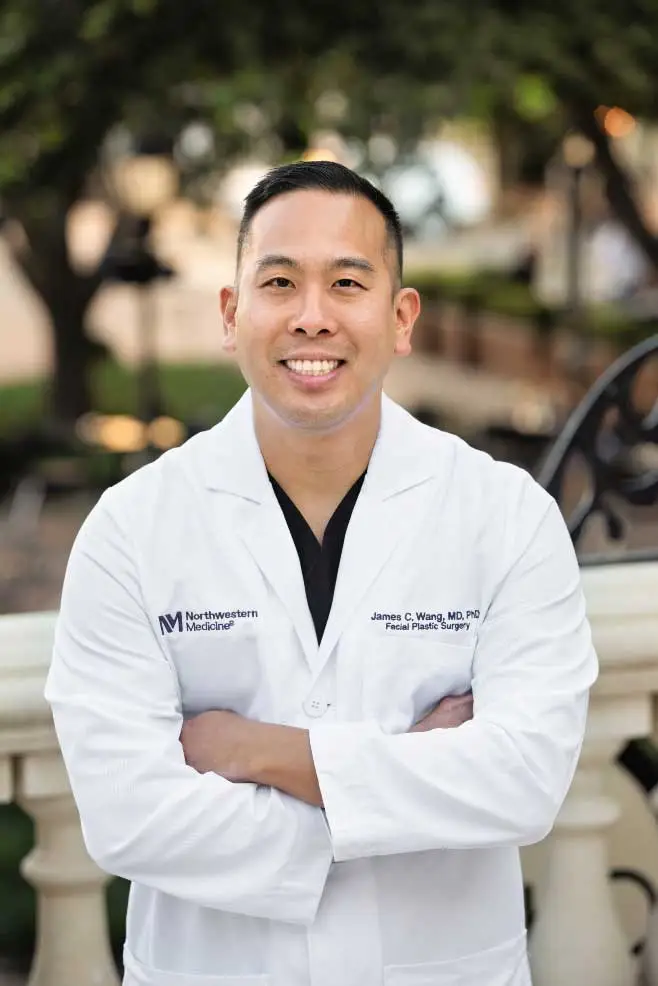
A consultation is the best place to start if you’re considering the latest plastic surgery procedures. Dr. James Wang specializes in innovative treatments that combine safety, precision, and artistry.
📞 Call (312) 695-8182 to schedule an appointment and explore your options.